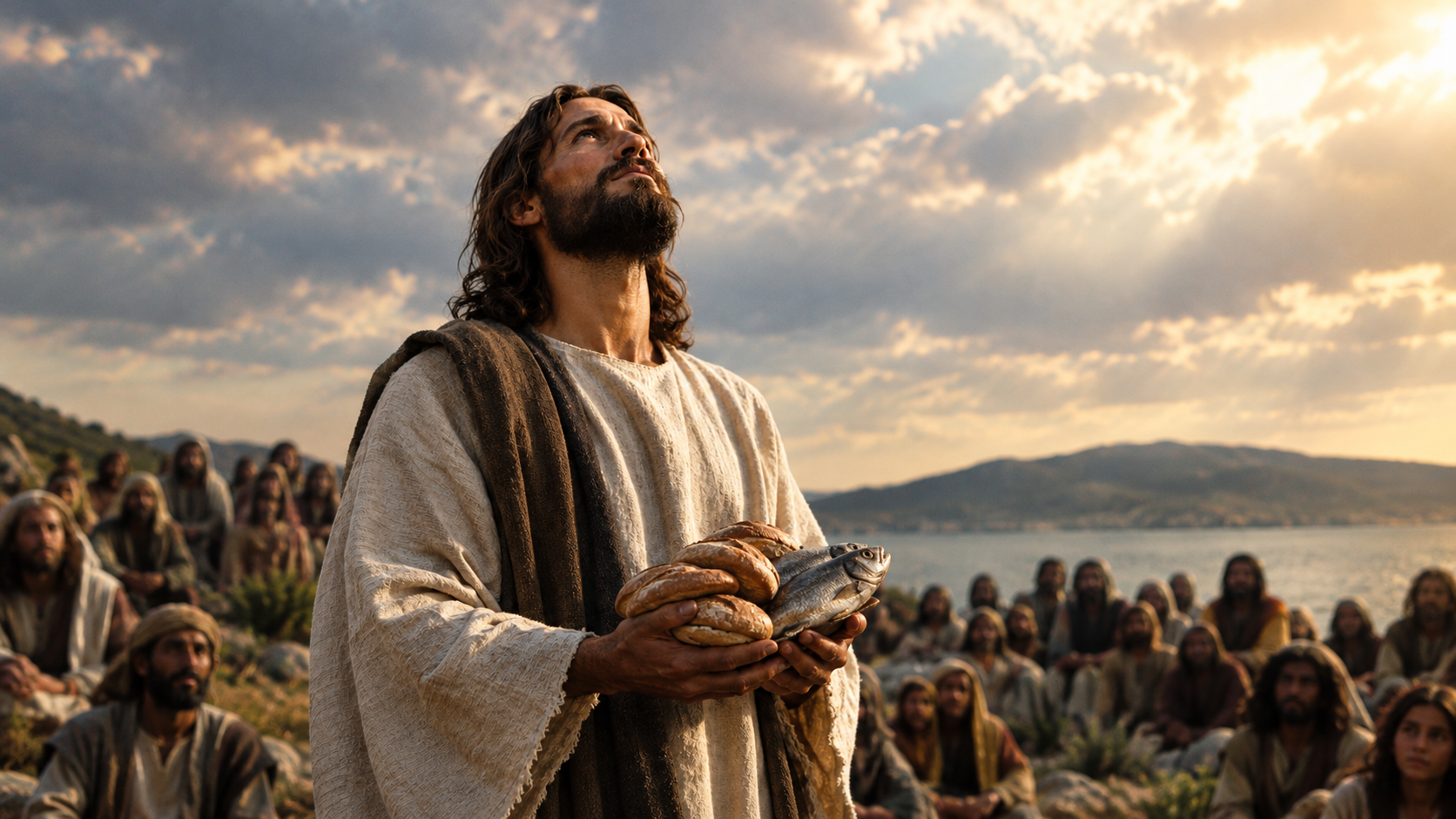
Blessed are the merciful, for they will be shown mercy… Blessed are the pure in heart, for they will see God. (Matthew 5)
Where is the greatest opportunity to extend mercy?
Not where it feels easy. Not where it feels natural. But wherever we are most offended, pained, and angered.
Mercy is not only obedience to God. It is the doorway to seeing Him clearly.
This is what makes mercy an act of obedience and faith, not feeling and ease.
The first words Jesus speaks in His recorded ministry about mercy are revealing. He makes it clear that the reward of extending mercy generously is that we encounter God’s mercy abundantly. That truth immediately confronts us with a question we often avoid.
What is the reward of God’s mercy? What are the benefits of extending mercy?
When we turn to Matthew 5, the Beatitudes, the order Jesus gives is not accidental. It is not a poetic filler. Jesus is revealing a pathway.
“Blessed are the merciful, for they will be shown mercy.”
“Blessed are the pure in heart, for they will see God.”
The sequence matters.
When mercy is extended, something inside us begins to heal. As the heart heals, it becomes purified. And as the heart becomes pure, vision is restored. The reward of receiving God’s mercy is not merely relief or forgiveness. It is sight.
Mercy is the surgery God uses to heal our vision.
This reframes the entire question of mercy.
We often assume mercy is primarily for the benefit of the one who wronged us. But Jesus reveals that mercy transforms the one who extends it. Mercy heals the inner world. Mercy frees the heart. Mercy restores the ability to see clearly.
Without mercy, what we see is pain. We perceive people through lenses shaped by anger, bitterness, and unforgiveness. We do not see people as they are in Christ. We see them as our wounds remember them in the flesh.
And here is the sobering truth.
The very person who wounded us in the past, if left unforgiven, continues to hold a form of bondage over us in the present.
Unforgiveness does not imprison the offender. It distorts the vision of the wounded.
It is easy to extend mercy to those in need who have never harmed us. Those who have never spoken against us or caused us pain. That kind of mercy feels noble. It feels righteous. It feels safe.
But Scripture presses us further.
There is a deeper mercy. Mercy extended toward the perpetrator. Toward the one who inflicted trauma. Toward the one who spoke evil against your life. Toward the one whose actions left wounds you did not choose.
This is where mercy stops being theoretical and becomes transformational.
Jesus confronts selective righteousness directly when He says,
“It is not the healthy who need a doctor, but the sick. Go and learn what this means: ‘I desire mercy, not sacrifice.’” - Matthew 9:12-13
Many of us offer sacrifices that appear righteous but are not what God ultimately desires. We give what costs us little. We obey where it aligns with our sense of justice. We forgive in ways that still preserve our right to remain offended.
But mercy costs something.
And if you have never wrestled with being offended by the mercy of God, you likely have not thought about it long enough.
God’s mercy does not only cover you. It extends to those you think should pay. It reaches people you believe should be disqualified.
This is the way of Jesus.
The cross itself is mercy poured out before fairness is satisfied. Forgiveness extended while wounds were still open. Love offered where offense was real.
So why extend mercy?
Because mercy heals your heart. Because mercy purifies your inner world. Because mercy restores your ability to see.
So where does mercy feel hardest to give?
That inner resistance may be the Spirit’s invitation.
Because on the other side of mercy is not weakness. It is Spirit-led healing. A purified heart. And, thus, restored sight.
And remember, blessed are the pure in heart, for they will see God.

Carry The Fire provides tools for cultivating an inner life of knowing God intimately, while walking in the power of God courageously.

Hillsboro, KS